
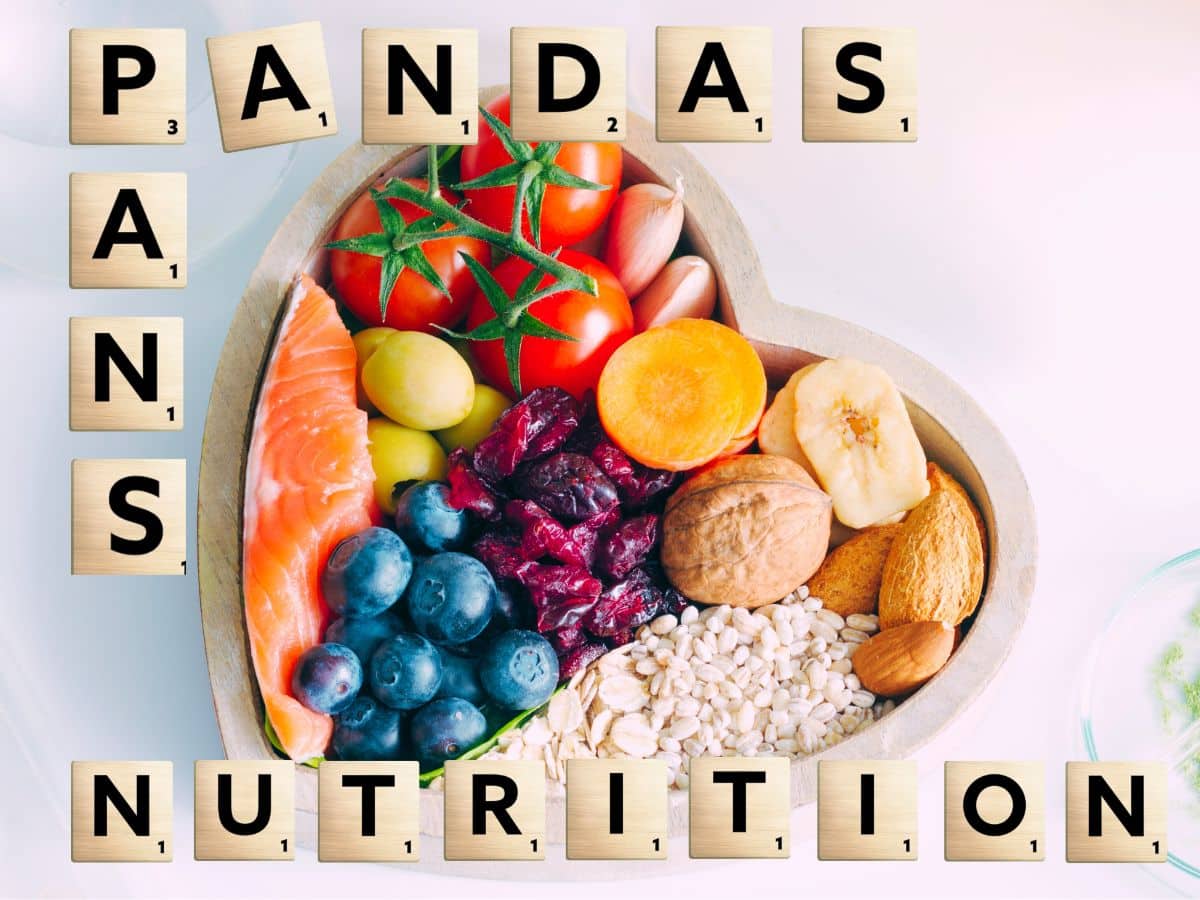
PANS (Pediatric Acute-onset Neuropsychiatric Syndrome) and PANDAS (Pediatric Autoimmune Neuropsychiatric Disorder Associated with Streptococcus Infections) certainly have a way of emptying your wallet and turning your world upside down. But be encouraged that good nutrition can be a fairly inexpensive yet powerful tool to improve your child’s symptoms and illness path.
Rest assured that poor nutrition doesn’t cause PANDAS or PANS, but it can make symptoms worse and can even create new symptoms. On the flip side, you can absolutely use good nutrition to reduce inflammation, restore brain and immune supportive nutrients and to remove reactive substances that are aggravating your child’s symptoms. Keep reading to dive into nutrition challenges, tips and strategies for this complex illness.
What are PANS/PANDAS?
If you’re taking the time to read this, chances are your child already has a diagnosis and you’re very familiar with these two acronyms. But just in case you’re completely new to the PANS/PANDAS world, I’ll give a very brief overview to get you up to speed. If you’re already well-versed, feel free to jump straight to the Nutrition Challenges section to get started.
Most parents describe PANS/PANDAS “like a light switch went off…”one day my child was happy and healthy, and the next day he was afraid to leave the house, developed tics, started making weird noises, became angry, aggressive or fearful of eating/choking etc…it feels like his brain is on fire.”
PANS and PANDAS are neuroimmune disorders triggered by various bacterial, viral or environmental infections like strep, tickborne diseases, mycoplasma, mold toxins or parasites. In short, they’re autoimmune disorders with neurological and psychiatric symptoms.
Because PANS and PANDAS are caused by brain inflammation, they often have overlapping symptoms with other neurological and psychiatric illnesses. They can be mistaken for Obsessive Compulsive Disorder (OCD), Tourette’s Syndrome, Attention Deficit Hyperactivity Disorder (ADHD), Autism Spectrum Disorder (ASD), Anxiety, Depression and Oppositional Defiant Disorder (ODD). In the nutrition world, PANS/PANDAS can often be misdiagnosed as Avoidant Restrictive Food Intake Disorder (ARFID), Pediatric Feeding Disorder (PFD) or Atypical Anorexia Nervosa (AN).
What sets PANS & PANDAS apart from these other illnesses?
- Abrupt Onset of OCD, tics (movements/noises) or severe eating restriction
- Secondary Cluster of Symptoms (2 or more):
- Mood/Behavior Changes (anxiety, aggression, depression, oppositional behavior)
- Intrusive thoughts
- Extreme separation anxiety or school refusal
- Developmental regression
- Changes in school performance (math/handwriting)
- Motor/sensory changes (difficulty throwing a ball, riding a bike, bothered by light/noise)
- Sleep disturbances
- Regressive bathroom accidents
- Ebb and Flow
- Often a chronic “baseline” of symptoms
- Accompanied by days/weeks or months where old symptoms flare or new symptoms begin
- Flares are most often caused by a triggering agent (see below), but can even be caused by losing a tooth or change in environment (heat, excitement, mold or stress etc.)
- Triggering Agent
- PANDAS requires confirmation of a group A strep infection.
- PANS is often triggered by other viral/bacterial/environmental agents (mycoplasma, Lyme, bartonella, babesia, Epstein-Barr Virus, COVID 19, mold exposure etc.). These aren’t required, but do support the diagnosis.
- Direct Impact/Inflammation of the Basal Ganglia
- Small, gumball-sized, group of cells in inner portion of the brain
- Contains immune regulating cells
- Responsible for movements/motor control, mood regulation, behaviors, emotions, decision making (including risk taking) and habit forming
- Directly communicates with the prefrontal cortex of the brain, which impacts executive function, attention and learning
If you suspect that your child/patient/client may have PANS/PANDAS and doesn’t currently have a diagnosis, it’s very important to find the right medical help. ASPIRE and The PANDAS Physician Network provide essential resources for parents and practitioners. Without recognizing and treating the underlying problem, you’ll just keep spinning on a hamster wheel.
If you’re a concerned parent, take some time to write down your child’s full health story. Keep it computerized, so you can add to it as needed. Include dates, unusual behaviors, symptoms, illnesses or exposures etc. Even include any prenatal sicknesses/infections or extended family members with any neurological, psychiatric or autoimmune disorders.
Now that you’re familiar with PANS & PANDAS, let’s dive into some common food-related challenges that often come along with these illnesses.
Nutrition and Feeding Challenges in PANS/PANDAS
Nutrition and feeding challenges are very common in children with PANS/PANDAS. In fact, they’re even part of the diagnosis for PANS. We’ll get into specific strategies later on, but to start, it’s helpful to be aware of potential problems so you can know what testing and nutrients to focus on and so that you can act quickly if any new symptoms show up.
- Food-Related OCD Symptoms:
- Repetitive food choices
- Fear of foods
- Fear of germs/contamination
- Food refusal
- Tantrums
- Fear of choking
- Difficulty swallowing
- Weight loss/poor growth
- ARFID, PFD or Atypical AN diagnoses
- Co-occurring Autoimmune Disorders that cause nutrient malabsorption, increased nutrient needs and growth challenges
- Celiac Disease
- Thyroid Disease
- Gut-Immune Problems
- Increased food sensitivities due to increased intestinal permeability (leaky gut)-these can trigger behavioral reactions
- Gut dysbiosis from the original triggering illness, frequent antibiotics or repetitive food choices
Understanding your child’s specific nutrition challenges can guide your focus as you learn about supportive nutrition tips and tricks.
Key Nutrients for PANS & PANDAS
Before we get started, I want to give the caveat that I’m a fellow PANDAS parent in the thick of it with you. I just so happened to be a pediatric dietitian specializing in picky eating and eating disorders before my son got sick, so I have both professional and lived experience to share.
When it comes to nutrition, there’s very little research specific to PANS/PANDAS. Instead, I use a blend of nutrition for neurological, psychiatric, autoimmune and strep-related disorders. In working with a variety of children with PANS & PANDAS, I’ve found it helpful to organize PANDAS nutrition into 3 categories…preventative, restorative and therapeutic.
As you read, please don’t pile on the guilt or fear, but rather work on re-framing to “What can we add?” or “What’s one small change we can make?” rather than “I’m doing this all wrong.” This is meant to educate and empower you with practical, researched-backed tips.

Preventative Nutrition
Preventative nutrition is a great place to start if your child has a diagnosis, but doesn’t currently have any major feeding challenges. This won’t keep your child from getting PANS/PANDAS, but can prevent symptoms from worsening or new symptoms from developing. The goal is to support gut, brain, and immune function and to reduce inflammation.
PANS and PANDAS, like most autoimmune disorders, are very inflammatory. Normally inflammation is how the body protects itself from damage. In the case of PANS/PANDAS, the inflammation is chronic, causing neurological and psychiatric symptoms. Using preventative nutrition can help to calm that inflammation down.
In general, a whole foods, colorful and fiber-rich diet tends to be less inflammatory than a diet of packaged foods with added fats, sugars and lengthy ingredient lists. Children with brain-related disorders also tend to do better with protein-rich diets, ideally including a protein source with every meal and snack. Anti-inflammatory fats are also important for brain health.

Top Preventative Foods:
- Colorful Fruits and Veggies*-Encourage your child to eat at least 1 serving with each meal and snack and aim to rotate through all the colors (red, orange, yellow, green, blue, purple, white) over the course of a week.
- Omega 3 Fats (fish, nuts, seeds) Offer low mercury fish 1-2x/week and work on including nuts and seeds most days.
- Olive Oil-Cook with olive oil and drizzle on salads and veggies.
- Beans/Legumes-Aim to include beans in a soup or as a side or dip 2-3x/week.
- Eggs*-These have choline, which is important for brain health.
- Beef, Chicken, Turkey*-Aim to include them at 1-2 meals/day.
- Probiotic-Rich/Fermented Foods-Supports gut health with frequent antibiotic usage
- Anti-inflammatory/Antimicrobial Herbs & Spices-Cook with or add cilantro, cinnamon, cocoa, turmeric, ginger, oregano, thyme, parsley, garlic and rosemary to meals throughout the week.
*A Note on Organic, Grass Fed, Pasture Raised vs. Conventionally Grown Foods
When it comes to produce, animal proteins and neuroimmune disorders, research shows that organic, grass fed, pasture raised products can be less inflammatory and less disruptive to your child’s brain and gut health. Glyphosate, a largely used pesticide on fruit, veggies, grain crops and animal feed has been shown to disrupt the gut. In addition, animal products like eggs, beef and dairy from animals fed a higher quality diet are higher in Omega 3s and lower in saturated fats, making them less inflammatory.
However, we also know that eating a wide variety of plant fibers, regardless of how they are grown, can improve gut diversity and reduce inflammation. And organic, grass fed, pasture raised products can quickly get pricey. My advice is to do the best you can, even if it means buying these products occasionally. Shop at stores like Aldi and Trader Joe’s for cheaper options. If you can’t afford them at all, rinse your produce well and focus on getting a good rotation of colorful key foods and nutrients.
Top Preventative Tests
In addition to an anti-inflammatory diet, getting some baseline nutrition-related testing can be helpful. Not all doctors will routinely order these tests, so you may need to ask for them.
- Complete Blood Count (CBC)
- Comprehensive Metabolic Panel (CMP)
- Vitamin D (25OHD)
- Functional Stool Test (Tiny Health)- out-of-pocket, but when interpreted by a trained professional can help you to optimize your child’s gut-brain health.
Top Preventative Supplements
Even with a varied diet, supplements can be extremely helpful for kids with PANS/PANDAS. It’s important to work with a knowledgeable practitioner to find the best brands, forms and dosages and to be informed of any potential side effects or medication interactions. Many kids need higher than the Recommended Daily Allowance (RDA), so I more typically dose between the RDA and the Upper Limit (UL). The following are some standard preventative supplements:
- Multivitamin (including vitamin A, C, D, zinc, B vitamins, choline)
- Vitamin C-most multivitamins don’t contain optimal levels, so adding an extra source can be helpful
- Vitamin D-supplement if low (optimal range for autoimmune illnesses is 40-80 ng/mL)
- Fish Oil-ideally containing EPA, DHA and GLA-anti-inflammatory and brain supportive
- Strep. Salivarius Oral Probiotic (lozenge)-for kids with frequent strep infections
- Xylitol (gum, lozenges) for kids with frequent strep infections
- Probiotics–kids on long-term antibiotics may benefit from a broad spectrum strain that includes S. boulardii; other specific strains may be beneficial, ideally when guided by symptoms and a stool test, but keep in mind that if your child has any signs of histamine intolerance, they would need a low histamine strain.
Top Preventative Feeding Strategies
- Keep positive feeding and food interactions (grocery shopping, cooking, predictable mealtimes) ongoing in the background.
- Offer regular meals and snacks every 2-4 hrs and include a protein source.
- Be sure to rotate in dark leafy greens and orange or yellow fruits/veggies like mango, cantaloupe and sweet potatoes a few times a week.
- Reduce processed snacks-try to choose a few snacks/day that don’t come out of a package-try a “fruit first or fridge first” mantra
- Include fish more often (even tuna fish)
- Add nuts and seeds as part of snack or in oatmeal
- Cook from home more often
- Work on being a “label detective”-stay alert for additives like sugars, trans fats, artificial colors, flavors and sweeteners, and certain preservatives like BHA, BHT and TBHQ
- Take sugar inventory– the recommendation for kids is <25 grams (6 tsp)/day. Sugar tends to crowd out anti-inflammatory foods and feed the bad gut bacteria.
- Don’t give into short-term setbacks (even if they last for a week or 2)-changes in eating behaviors can be part of a PANS/PANDAS flare
- Stay alert for any abnormal changes to your child’s eating patterns or behaviors
Restorative Nutrition
Preventative diets may be out of reach for some kids. If your child struggles with a limited diet, extreme mood or behavior problems, learning difficulties, sensory challenges, gut and/or growth problems, they will likely benefit from Restorative Nutrition. This focuses on supporting critical nutrients for physical growth and brain development during a chronic childhood illness.
To determine which nutrients to restore, I use a combination of food journals, questionnaires, lab tests, growth charts and physical signs and symptoms. These are the most common deficiencies I see:
Top Nutrient Deficiencies
- Calories
- Not getting enough due to low appetite, malabsorption or fear of foods
- Best food sources: nuts, seeds, nut butters, healthy oils, proteins, dried fruits, fruit smoothies, whole fat dairy (ideally organic, grass-fed)
- Protein
- Helps to stabilize blood sugar and reduce mood swings/tantrums
- Contains amino acids (building blocks) that help to make neurotransmitters like dopamine, GABA, serotonin and melatonin
- With PANS/PANDAS, the goal is optimal rather than bare minimum
- Best food sources: meat, fish, poultry, beans, nuts, nut butters, seeds
- Essential Fatty Acids
- Essential for brain health and development and reducing inflammation
- Best food sources: Fish, nuts, seeds
- Hydration/Electrolytes
- Dehydration can worsen mood, behaviors and headaches
- If your child gets exercise/heat induced fatigue, muscle weakness, low blood pressure, headaches or salty skin, they may also need electrolytes
- Best Sources: water, whole fat milk (ideally organic, grass-fed), coconut water, homemade electrolyte drinks or bone broth (avoid with histamine intolerance)
- Micronutrients (“Mighty Micros”)
- Antioxidants like Vitamin A, C & Zinc reduce inflammation and promote good immunity and are often low in “tan food” diets
- Neuroprotective nutrients like iron, folate, B12, magnesium, zinc and choline are often low in a diet low in plant and animal protein (limited meat, beans, eggs, nuts, nut butters)
- This chart goes over common signs/symptoms of nutrient deficiencies in kids.
Top Restorative Tests
In addition to the Preventative Tests, these tests can help to determine optimal food and nutrient supplementation. If your child is averse to blood tests, a skilled health practitioner can use food journals and symptoms to guide their recommendations.
- Vitamin A
- Vitamin C
- Ferritin
- Folate
- B12 (or methylmalonic acid/MMA)
- Magnesium (RBC)
- Copper (RBC)
- Zinc (RBC)
- Celiac Panel
- Thyroid Panel
- Micronutrient Panel-This is a comprehensive out-of-pocket test that measures long-term nutrient status and can be helpful in guiding and monitoring supplementation.
Top Restorative Supplements
These may be needed in addition to the preventative supplements and are based on your child’s lab test results, food intake evaluations, and physical signs and symptoms. For safety reasons, these should be added under the supervision of a health practitioner.
- Vitamin A-if level was low and multivitamin doesn’t contain optimal amount
- Vitamin C-if level was low and multivitamin doesn’t contain optimal amount
- Iron-if ferritin levels were low or low normal + physical signs/symptoms
- Folate-can be included in high quality multivitamin; may need extra if low
- B12-can be included in high quality multivitamin; may need extra if low
- Magnesium -if level was low or physical signs/symptoms + limited food sources
- Copper-if level is high or if Copper:Zinc ratio is high, supplement with zinc
- Zinc-if level was low or if Copper:Zinc ratio is high or if limited food sources + physical signs/symptoms
- Selenium and Iodine-if your child’s bloodwork showed autoimmune hypothyroidism (Hashimoto’s), they may benefit from a multivitamin with these nutrients
- Calorie/Protein Supplements-shakes, bars and powders can be helpful to restore your child’s growth, but many are also fortified with extra vitamins and minerals, so be careful not to overdose.
Top Restorative Feeding Strategies
Before we get into specific strategies, please remember 2 key points…
- Be sure that your child is getting the proper medical treatment for the underlying triggers and immune dysfunction. Without proper treatment, feeding therapy is less likely to help.
- “A nourished brain will respond better to diet expansion.” Getting the right lab testing and supplementing with the right nutrients will set you up for much better success.
Helping Your Selective Eater, Food Chaining, and High Protein Foods for Picky Eaters outline some general tips for expanding your child’s diet.
PANS/PANDAS-Specific Tips
- To avoid preference for repetitive brands, take the food out of the packaging before serving and routinely switch up brands or forms of the food.
- For fear of choking, always keep a small drink nearby to help wash the food down. Even if your child starts to gag, encourage them to wash it down.
- Ride the wave…this can be part of a flare and temporary, so be consistent and don’t change all your habits based on 2 bad weeks
- Because of inflammation and increased demand for micronutrients (at the cellular level), work hard at getting in more vitamins/minerals through foods and supplements.
- Using supplements to improve brain function and reduce inflammation often improves willingness to expand diet.
- Choose a supplement form that your child will accept or even include a few forms to add some variety.
- Supplements aren’t always without side effects. They tend to have more benefits and fewer side effects than medications, but it’s still important to add them one at a time and to use them under the supervision of a knowledgeable health practitioner.
- Be aware of the “Supplement Burden” from both the cost and task of getting your child to take so many supplements in a day. It’s ok to prioritize which are the most important if the burden becomes too high.
- If your child has also been diagnosed with an eating disorder or ARFID, renourishing the body and brain is still essential, but you’ll also want to involve a proper team of a PANS/PANDAS physician and therapist for the best outcome. Many eating disorder teams are not well versed in PANS/PANDAS.
- An eating disorder can feel like a bad label. I’ve worked with a handful of PANS/PANDAS kids that have either been misdiagnosed with an eating disorder or that developed eating disorder symptoms as a result of being malnourished from the OCD, repetitive behaviors and fear of foods. In these cases, it’s still important to renourish the body and brain, but knowing that the eating disorder is a symptom of PANS/PANDAS can help to clear up the confusion.
Therapeutic Nutrition
Therapeutic Nutrition is the idea of adding or removing bioactive substances in foods and supplements to improve health. The goal is to relieve the extra burden on the body by removing foods that aren’t tolerated, are causing inflammation or that are using up the nutrients that help us detoxify. It can also include adding in higher (therapeutic) doses of nutrients to reduce symptoms.
What are Therapeutic Diets
In the nutrition world, therapeutic diets can be both a hot topic and a hot button. Many people think that they’re just another restrictive fad diet, but I like to challenge that idea with the research. These diets certainly aren’t a fit for all people, but at the end of the day, there’s a growing body of research to support trialing them, and you as a parent deserve to make an informed decision.
Therapeutic diets involve removing certain food chemicals (both natural and artificial) to reduce a wide variety of physical, neurological, behavioral and emotional symptoms. Most of the research on these diets comes from Autism, ADHD and autoimmune studies as well as smaller survey studies and case reports within the PANS/PANDAS community. The following are some of the most common diets with reported benefits:
- No artificial dyes, flavors, preservatives or sweeteners
- Gluten Free, Dairy (Casein) Free (and often soy free)
- Low Phenols/Salicylates/Amines/Glutamate (Feingold/Failsafe)
- Low Histamine
- Low Oxalate
- Specific Carbohydrate Diet (SCD)
- Paleo/Autoimmune Protocol (AIP)
When to Consider a Therapeutic Diet
The choice to trial therapeutic diets is very situation and symptom dependent, and it’s not typically where you’ll start. But some studies have shown improvements in a variety of PANS/PANDAS related symptoms with these diets including anxiety, aggression, bed wetting, gut health, hyperactivity, irritability, motor skills, OCD, sensory sensitivity, sleep issues and tantrums.
In her recently published study and book, The Personalized Autism Nutrition Plan, Julie Matthews gives an excellent overview of various symptom improvements seen with each diet type. If you’re considering a therapeutic diet trial, I’d highly recommend her book.
Some of the top diets in her study as well as in previous research are Feingold (no artificial dyes, flavors, preservatives or sweeteners + trial of low salicylates), Gluten Free/Casein Free, Low Sugar and Avoidance of Food Allergens and Sensitivities.
If you’ve already exhausted other treatments, therapeutic diets can be a fairly cheap, natural and low side effect option. They can also be helpful in targeting specific symptoms and reducing overall autoimmune action in the body. Occasionally they even reduce symptoms that parents were afraid would worsen (like picky eating).
On the flip side, these diets can be challenging when there are other family members following different diets. They can also temporarily limit foods that are otherwise healthy like certain fruits and veggies and can feel isolating and inconvenient. Some diets are more restrictive than others, so if your child has extreme OCD or disordered eating, you’ll want to use caution and expert opinion before trialing a therapeutic diet.
How to Trial a Therapeutic Diet
Therapeutic diets are typically done using an elimination diet protocol:
- Fill out a symptom survey prior to starting the diet
- Ideally have food allergy and celiac testing prior to eliminating any common food allergens like gluten or dairy
- Plan appropriate meal and snack substitutions
- Remove the suspected offending foods for a few weeks to months (minimum 2 weeks, maximum 6 months)
- Repeat symptom survey
- Gradually reintroduce foods/ingredients one at a time and monitor symptom changes.
Top Therapeutic Supplements
Some supplements that naturally occur in foods and spices can reduce symptoms when used in more concentrated dosages. These should also be added one at a time while monitoring for symptom changes.
- Antioxidants–sulforophane, luteolin, quercetin– (naturally in broccoli cauliflower, onions, celery, apples, berries) anti-inflammatory; brain and immune health
- Curcumin-anti-inflammatory, helpful during flares
- Melatonin-sleep, antioxidant, neurotransmitter
- NAC and/or inositol-OCD, tics, skin picking, anxiety, irritability
There are many other supplements and herbal remedies that can be useful in PANS/PANDAS treatment, but for the sake of the length of this article, we’ll stop here.
Putting it into Action
We’ve just covered a lot of ground, and if you managed to stay with me through all of that, I give you a lot of credit! But I know firsthand that living in the PANS/PANDAS world can feel very overwhelming, so I want to help you come up with some actionable next steps to reduce the overwhelm.

- “Take off the guilty hat” (what you’re not doing) and “put on the empowered hat” (what you can do).
- Use these Questions to help you come up with 1 priority:
- What does my child need most: preventative, restorative or therapeutic nutrition?
- What is the most difficult symptom to manage?
- What is the easiest thing to change right now?
- What can I add in vs what do I have to take out?
Examples:
- If behaviors are the most challenging symptom and your child is currently eating a lot of packaged foods with artificial colors and preservatives, you may consider how to switch those out for similar products that don’t have the same additives (sometimes it’s as simple as shopping the store brands or at ALDI)
- If your child has a very colorless diet, you may consider adding in a high quality multivitamin and trialing more nourishing low color foods like a peeled apple or pear, a banana-based smoothie or homemade pan fries.
- If growth and food aversions are your biggest concern, you may consider finding ways to boost calories through high fat foods (preferably healthy fats like whole fat dairy, avocado, coconut oil, MCT oil, olive oil, nut butters) or a homemade smoothie or shake
- If your child’s OCD and food aversion are so severe, your next step might be finding a doctor (or a different doctor) who will treat the underlying infection/immune dysfunction.
Thanks for sticking with me! I hope you have better insight and clarity into the best next nutrition steps for your child. Focus on putting one foot in front of the other, and “do the next right thing.”
Summing It Up
- PANS & PANDAS aren’t caused by poor nutrition, but they can be improved with good nutrition.
- The brain inflammation and immune dysfunction in PANS/PANDAS can bring a few extra challenges than traditional picky eating or eating disorders.
- You may be able to prevent symptoms from worsening using an anti-inflammatory, whole foods, low sugar diet combined with some basic supplements and positive feeding strategies.
- Multivitamins, vitamin C and fish oil are generally safe and effective to add without any testing.
- Restoring nutrients using targeted testing, supplements and feeding strategies can significantly improve symptoms and outcomes. “A Nourished Brain will Respond Better to Diet Expansion”
- Therapeutic diets and supplements can be an extra step to open the door for more symptom improvements.
- Choose to be empowered by new information, and come up with one next step to try with your child.
If you’re excited to get started, but aren’t quite sure how this will play out, check out Mealtime Strategies for PANS & PANDAS for more ideas. You can also catch more tips on this podcast episode.
If you need guided help, Food to Table Nutrition offers in-person and virtual 1:1 consultations. We’re in network with most major insurance companies.
This is not a substitute for medical advice nor is it a suggested treatment plan. If your child has any medical conditions, please consult your medical provider before implementing these suggestions.